Discovering Reiki: Healing Energy for Mind and Spirit


What is Reiki?
Reiki is a form of alternative therapy that originated in Japan in the early 20th century. It is often described as a healing technique based on the principle of channeling energy into the patient by means of touch, to activate the natural healing processes of the body. This practice aims to promote both emotional and physical well-being.
The word Reiki is derived from two Japanese words: "Rei," meaning universal, and "Ki," which refers to life energy. Practitioners believe that this universal energy flows through all living things. When the flow of this energy is disrupted, it can lead to illness or stress. Through Reiki, practitioners aim to restore balance and harmony.
The Benefits of Reiki
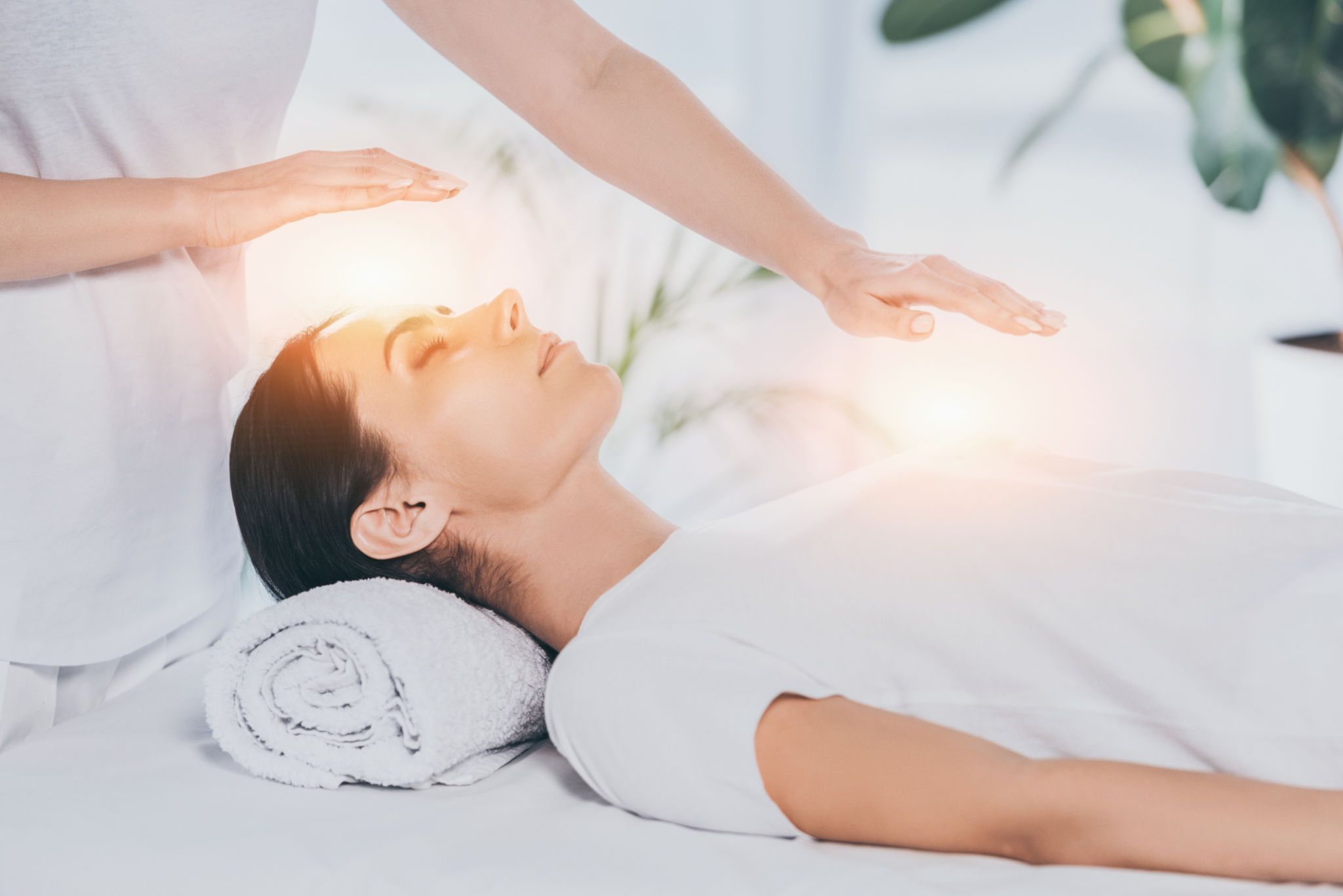
Reiki is known for its ability to promote relaxation, reduce stress, and enhance overall well-being. Many people report feeling a sense of peace and tranquility during and after a session, which can be beneficial for mental health. Additionally, some individuals experience relief from physical symptoms such as pain and tension.
One of the most significant benefits of Reiki is its ability to complement other forms of treatment. It is non-invasive and can be used alongside conventional medical treatments, enhancing their effectiveness and aiding in recovery. Many hospitals and clinics now offer Reiki as a complementary therapy to support patient care.

How Does a Reiki Session Work?
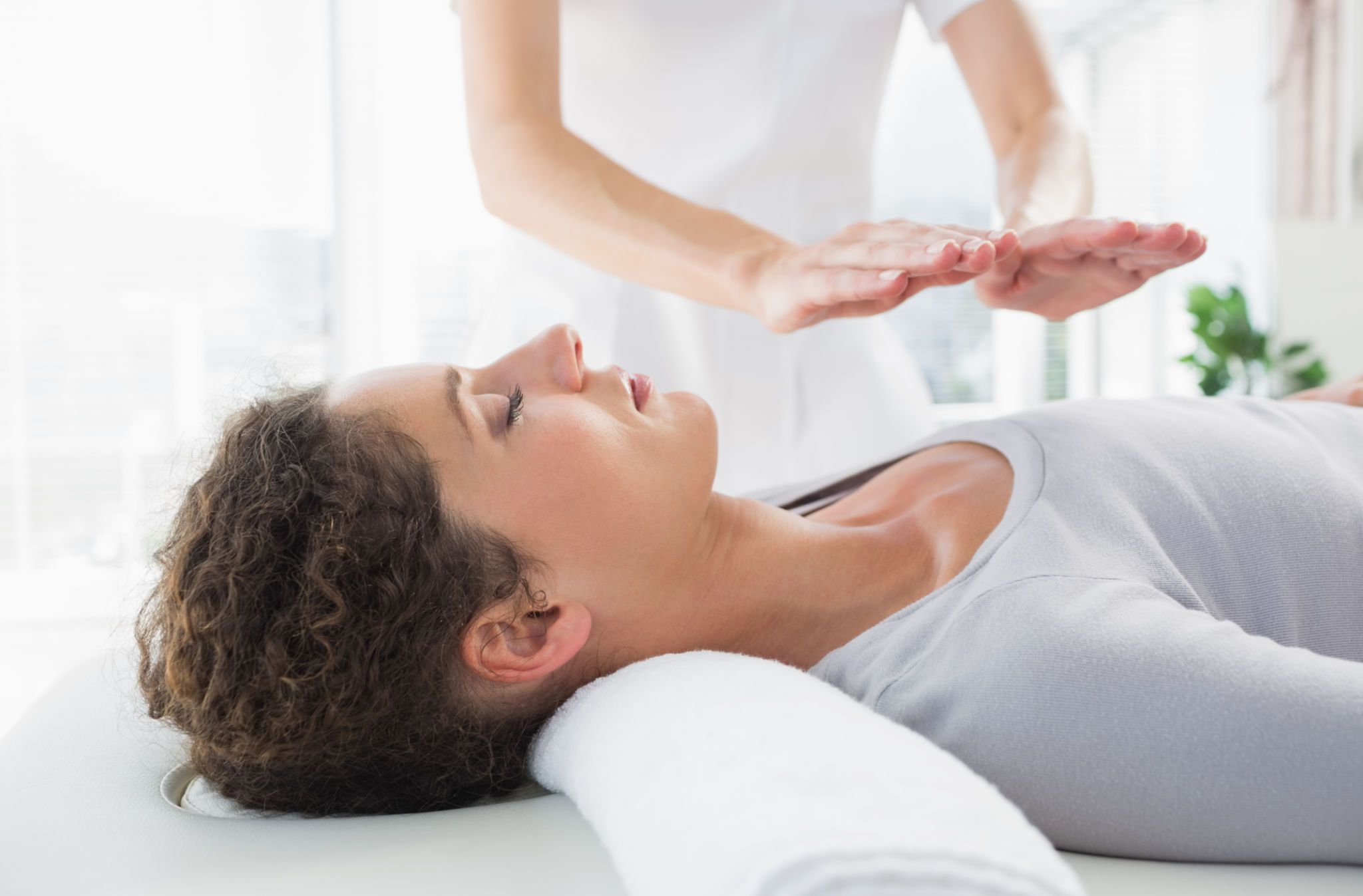
A typical Reiki session involves a practitioner using their hands to lightly touch or hover over the recipient's body. The session usually lasts between 30 to 60 minutes. During this time, the practitioner will use specific hand placements to channel energy to various parts of the body. The recipient remains fully clothed and may sit or lie down, often experiencing a warm sensation or tingling feeling.
People often describe the experience as deeply relaxing, with a sensation of warmth and comfort. Some even fall asleep during the session, waking up refreshed and rejuvenated. The effects of Reiki can vary from person to person, but the overall goal is to bring about a sense of balance and harmony.
Who Can Benefit from Reiki?
Reiki is accessible to people of all ages and backgrounds. It can be beneficial for those dealing with stress, anxiety, chronic pain, or other health challenges. Additionally, it can be a valuable tool for those seeking personal growth and spiritual development.
Many individuals use Reiki as a form of self-care, incorporating it into their routines to maintain a sense of balance and well-being. Whether you are looking to improve your mental health, support physical healing, or simply enhance your overall quality of life, Reiki may offer valuable benefits.
Learning and Practicing Reiki
Reiki is not only for receiving; it can also be learned and practiced by anyone interested in exploring this healing art. Training typically involves attending workshops or courses, where you learn about the principles of Reiki and how to channel energy effectively. Many people find that learning Reiki enhances their understanding of themselves and others.
Practicing Reiki can be a fulfilling journey, offering opportunities for personal growth and connection with others. Whether you choose to practice on yourself, friends, or family, Reiki can be a powerful tool for transformation.
Conclusion
Reiki offers a unique approach to healing and well-being, emphasizing the importance of energy flow in maintaining health. Its gentle, non-invasive nature makes it accessible to everyone, whether you are seeking relief from specific ailments or looking to enhance your overall quality of life. By exploring Reiki, you may discover a powerful ally in your journey toward balance and harmony.