The Connection Between Shamanic Practices and Modern Healing


Introduction to Shamanic Practices
Shamanic practices have been an integral part of various cultures for thousands of years. These ancient healing techniques involve connecting with the spiritual world to bring about physical and emotional well-being. Shamans, often seen as spiritual leaders, act as mediators between the human and spirit worlds, using rituals, ceremonies, and natural elements to facilitate healing.
The resurgence of interest in these practices is not just a cultural curiosity but a recognition of their potential to complement modern healing methods. As more people seek holistic approaches to health, shamanic practices offer valuable insights into the interconnectedness of body, mind, and spirit.
Core Principles of Shamanic Healing
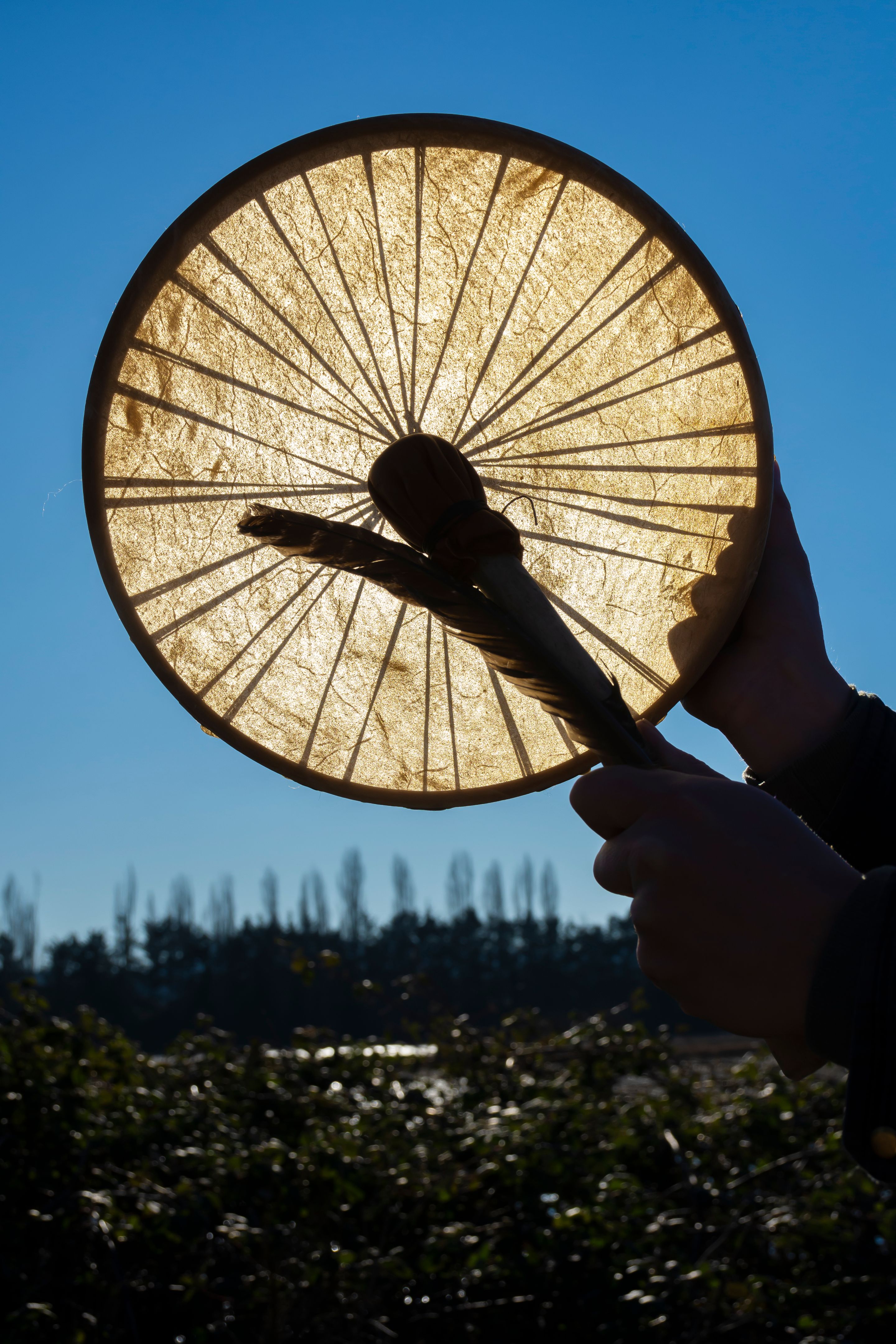
At the heart of shamanic healing lies the belief that everything is interconnected. This worldview emphasizes the importance of harmony between humans and nature, as well as the balance between the physical and spiritual realms. Shamans employ techniques such as drumming, chanting, and the use of sacred plants to enter altered states of consciousness, accessing spiritual guidance for healing.
One of the core principles is the idea that illnesses often have spiritual causes. By addressing these root causes, shamans aim to restore balance and health to the individual. This holistic approach resonates with many modern healing practices that emphasize treating the whole person rather than just the symptoms.
Shamanic Techniques in Modern Healing
Many contemporary healing practices have integrated elements of shamanism, recognizing their potential benefits. Techniques such as guided imagery, meditation, and energy healing draw from shamanic traditions, adapting them to fit modern contexts. For example, sound therapy, which utilizes the vibrational frequencies of instruments like drums and singing bowls, echoes the rhythmic drumming used by shamans to induce trance states.

Additionally, plant-based healing, a cornerstone of shamanic practice, has influenced the growing interest in herbal medicine and natural remedies. As people become more aware of the side effects of pharmaceuticals, the appeal of plant-based treatments continues to grow.
The Role of Community and Ritual
Shamanic practices emphasize the role of community and ritual in healing. Community support is seen as crucial for emotional and spiritual well-being. Rituals, often involving storytelling, music, and dance, serve as powerful tools for transformation and healing, creating a sense of connection and shared experience.
In modern contexts, these practices encourage the creation of support networks and the use of rituals to mark significant life events, fostering a sense of belonging and purpose. Group therapy sessions and community-based wellness programs often draw inspiration from these communal aspects of shamanism.

Challenges and Considerations
While the integration of shamanic practices into modern healing offers many potential benefits, it's important to approach these traditions with respect and understanding. Cultural appropriation and the oversimplification of complex practices can undermine their authenticity and effectiveness.
Practitioners and individuals interested in exploring these methods should seek guidance from knowledgeable sources and approach the practices with an open mind and heart, acknowledging the rich cultural heritage they represent.
Conclusion
The connection between shamanic practices and modern healing reflects a growing recognition of the need for holistic approaches to health. By embracing the wisdom of ancient traditions, we can enhance our understanding of healing and well-being in today's world. Whether through community support, natural remedies, or spiritual exploration, shamanic practices offer valuable insights into achieving balance and harmony in our lives.