Understanding Reiki: A Comprehensive Manual for Beginners


What is Reiki?
Reiki is a form of alternative therapy that originated in Japan in the early 20th century. It involves the transfer of energy from the practitioner's hands to the patient, aiming to promote healing and balance. The term "Reiki" is derived from the Japanese words "rei," meaning universal, and "ki," meaning life energy.
Practitioners believe that this energy flows through all living things and can be harnessed to promote physical, emotional, and mental well-being. Reiki is often used as a complementary therapy alongside conventional medical treatments.
The Principles of Reiki
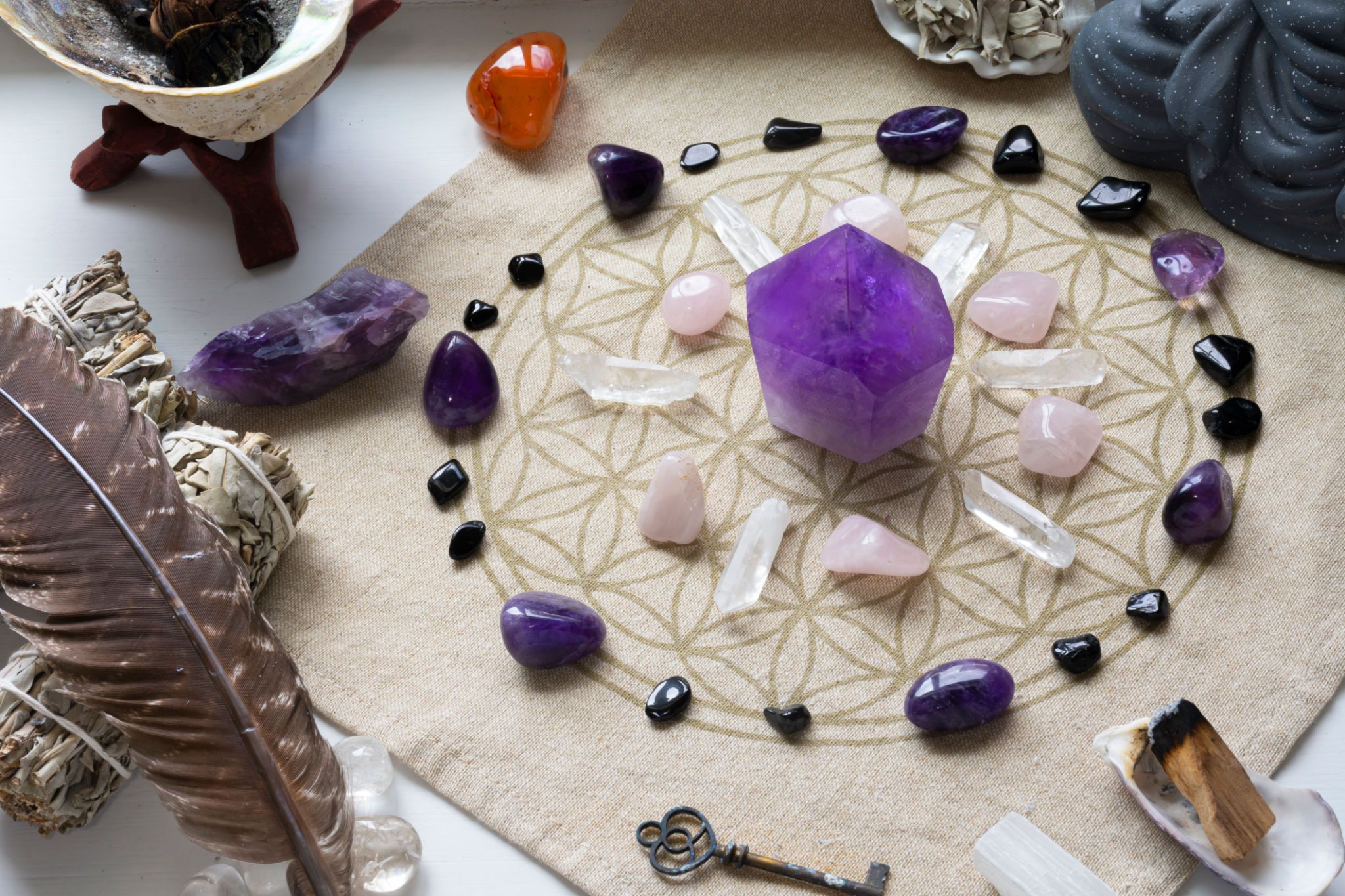
Reiki is founded on five core principles, often referred to as the Reiki Precepts. These serve as guidelines for personal development and spiritual growth. They are:
- Just for today, do not worry.
- Just for today, do not anger.
- Honor your parents, teachers, and elders.
- Earn your living honestly.
- Show gratitude to every living thing.
These principles encourage mindfulness and a positive mindset, helping individuals lead a balanced and harmonious life.
How Does Reiki Work?
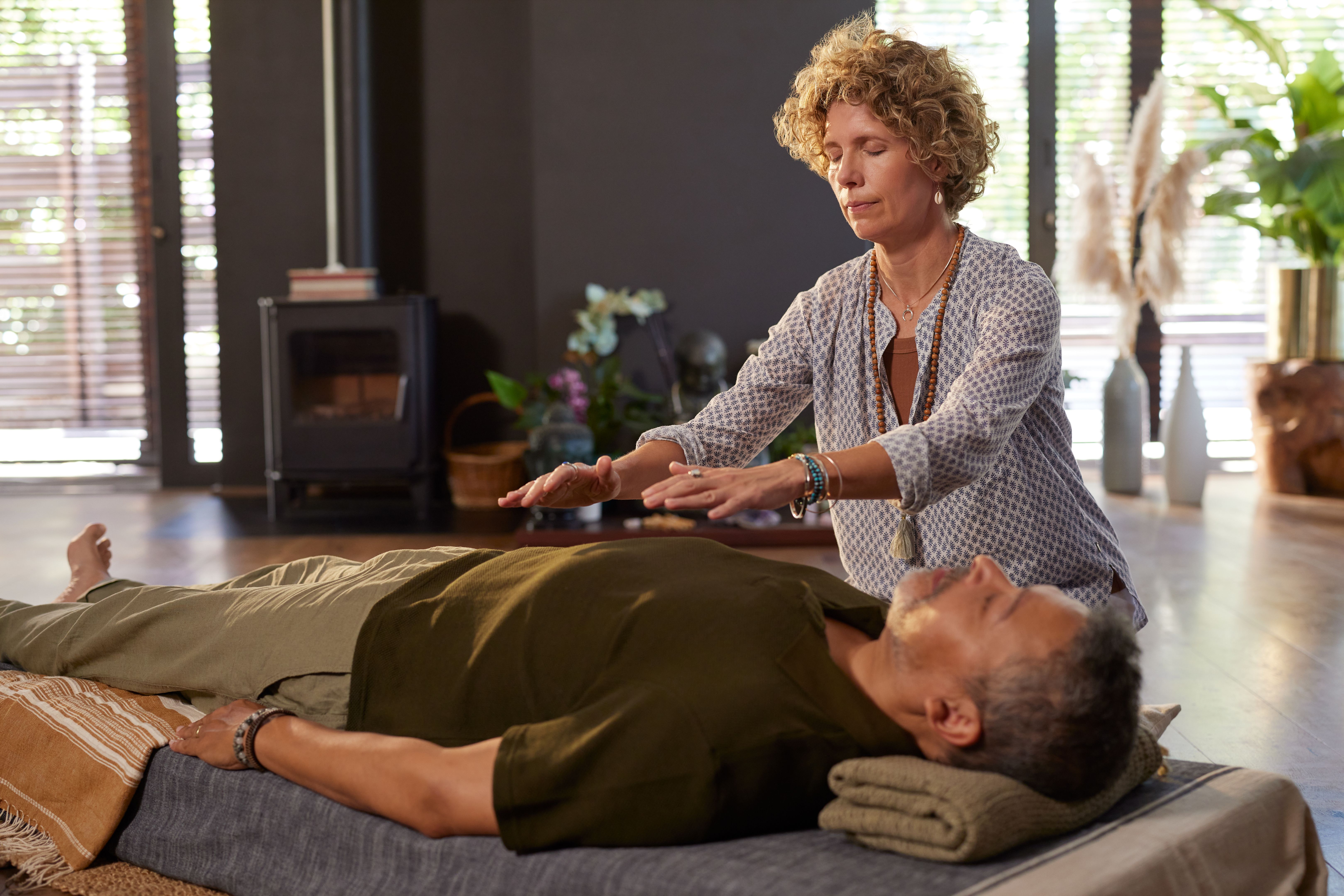
During a Reiki session, the practitioner places their hands lightly on or just above the client's body. The goal is to channel energy into the recipient, promoting relaxation and healing. Sessions typically last between 30 to 60 minutes.
Reiki is non-invasive and can be tailored to address specific areas of concern, such as stress, pain, or emotional imbalances. Some people report feeling warmth, tingling, or a sense of peace during a session.
Benefits of Reiki
Reiki is believed to offer a range of benefits, including:
- Reduction in stress and anxiety
- Improved sleep quality
- Enhanced emotional well-being
- Relief from pain and discomfort
- Support for the body's natural healing processes
While scientific evidence is limited, many individuals find Reiki to be a valuable tool for enhancing overall health and wellness.
Getting Started with Reiki
If you're interested in trying Reiki, consider finding a certified practitioner who resonates with you. Many practitioners offer introductory sessions, allowing you to experience the therapy before committing to regular appointments.
For those wishing to delve deeper, Reiki training courses are available, ranging from beginner to advanced levels. Becoming a Reiki practitioner involves learning the techniques and principles, as well as gaining personal experience with the energy.
Conclusion
Reiki offers a gentle, holistic approach to healing that can complement traditional medical treatments. Whether you're seeking stress relief or a deeper spiritual connection, Reiki may provide the support you need. As with any therapy, it's important to approach it with an open mind and a willingness to explore its potential benefits.