Understanding Tarot: A Comprehensive Guide for Beginners


Introduction to Tarot
Tarot cards have intrigued people for centuries, offering insights into the past, present, and future. As a beginner, diving into the world of tarot can be both exciting and overwhelming. This guide aims to demystify tarot by providing you with the fundamental knowledge needed to start your journey.
The Structure of a Tarot Deck
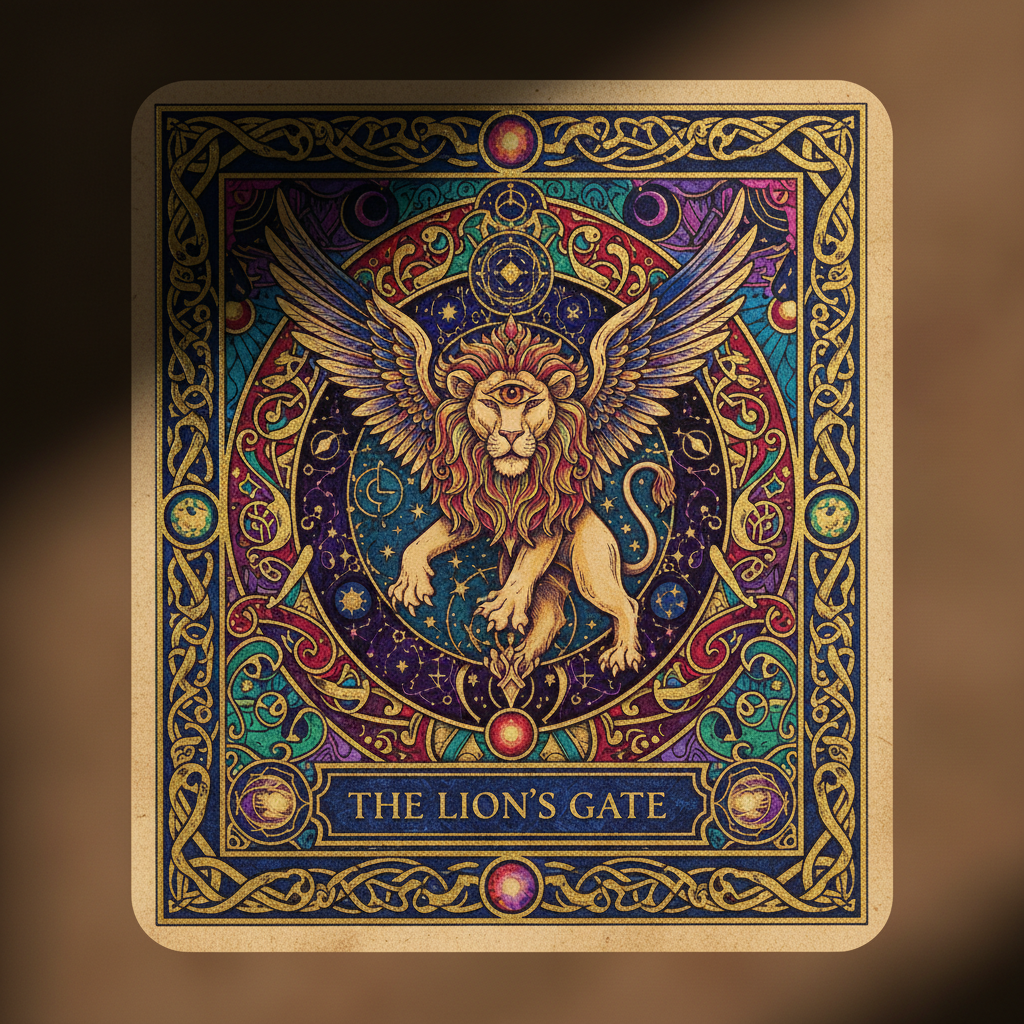
A standard tarot deck consists of 78 cards, divided into two main categories: the Major Arcana and the Minor Arcana. The Major Arcana includes 22 cards, each representing significant life themes and lessons. Meanwhile, the Minor Arcana, with its 56 cards, focuses on day-to-day events.
The Minor Arcana is further divided into four suits: Wands, Cups, Swords, and Pentacles. Each suit corresponds to different aspects of life and is numbered from Ace to King. Understanding the structure of the deck is crucial for interpreting the cards accurately.

Getting Started with Tarot Reading
To begin reading tarot, you'll first need a deck that resonates with you. Spend some time exploring different designs and themes to find one that feels right. Once you have your deck, familiarize yourself with the cards by looking at the images, symbols, and meanings.
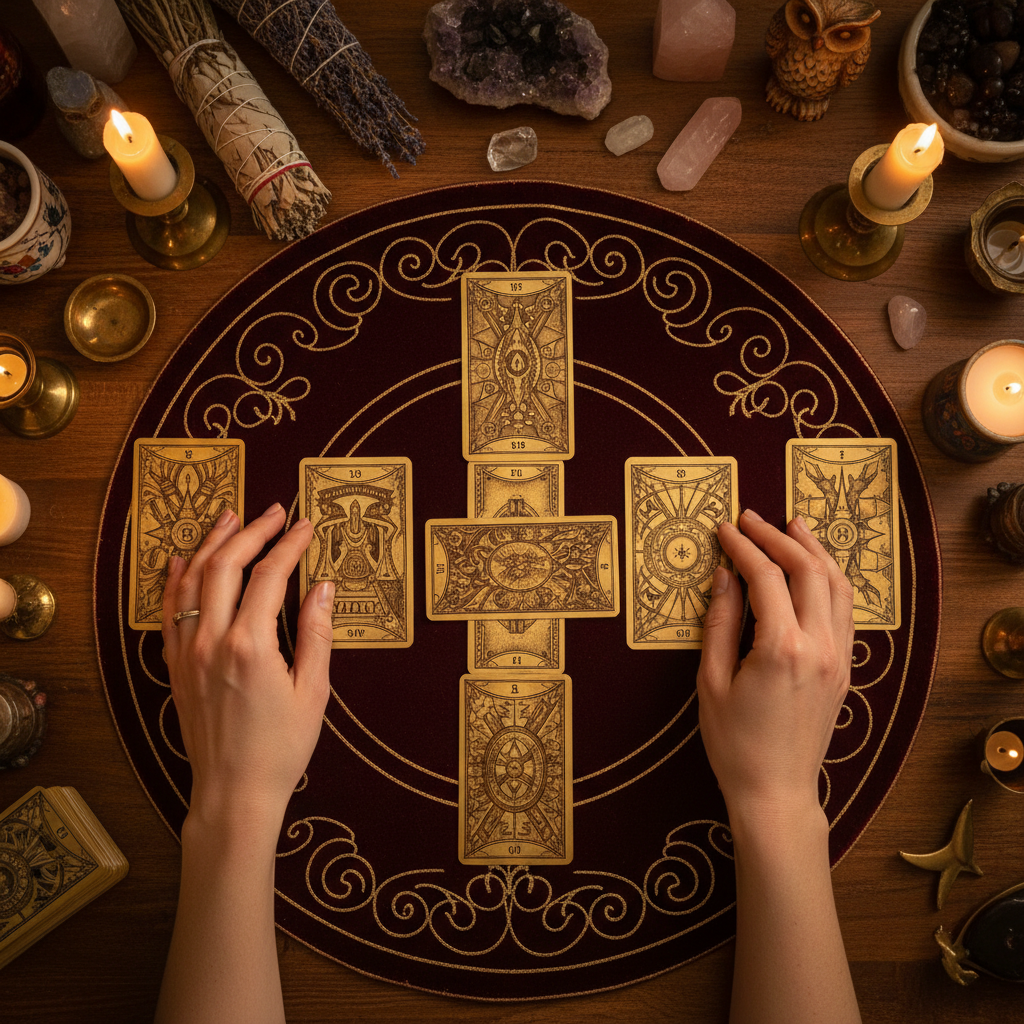
Start by practicing simple spreads, such as the one-card draw or the three-card spread. These spreads are excellent for beginners and provide insight into specific questions or situations. Remember, tarot reading is an intuitive practice that improves with time and experience.
Developing Your Intuition
Intuition plays a vital role in tarot reading. While the cards have specific meanings, your intuition guides you to interpret them in the context of a reading. To enhance your intuition, consider keeping a tarot journal. Document your readings, impressions, and any patterns you notice over time.
Meditation and mindfulness practices can also help you connect with your intuitive side. By quieting your mind, you open yourself up to the subtle messages the cards convey.
Common Tarot Spreads
Different spreads offer varied insights depending on the complexity of the question. Here are a few popular spreads to explore:
- One-Card Spread: Offers a quick insight or answer to a specific question.
- Three-Card Spread: Explores past, present, and future aspects of a situation.
- Celtic Cross Spread: A more detailed layout that examines multiple facets of a question.
Interpreting Card Meanings
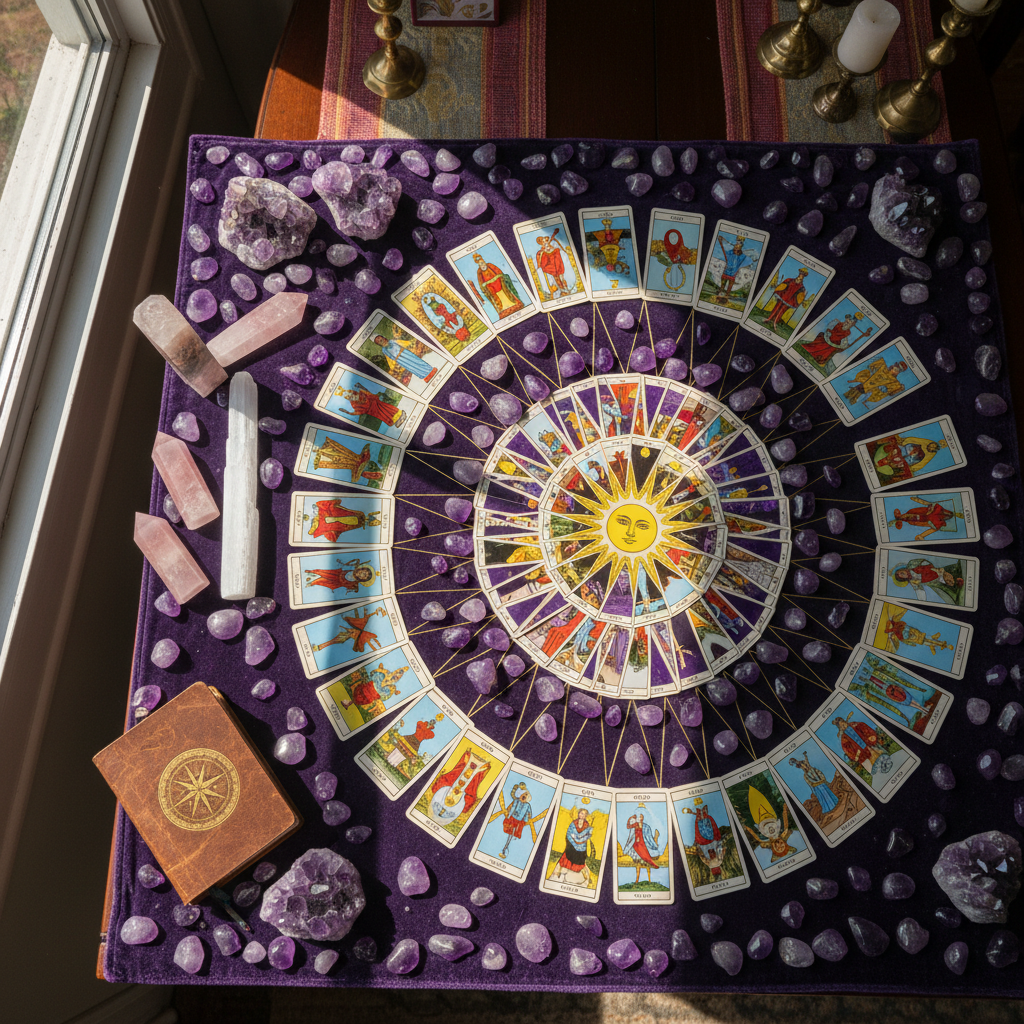
Each tarot card has a wealth of meanings and symbolism. While guidebooks provide a starting point, personal interpretation is key. Consider the imagery, symbols, and your immediate feelings when looking at a card.
Reversed cards, which appear upside down, can indicate blocked energy or an alternative meaning. However, whether to incorporate reversals is entirely up to you as a reader.
Ethical Considerations in Tarot Reading
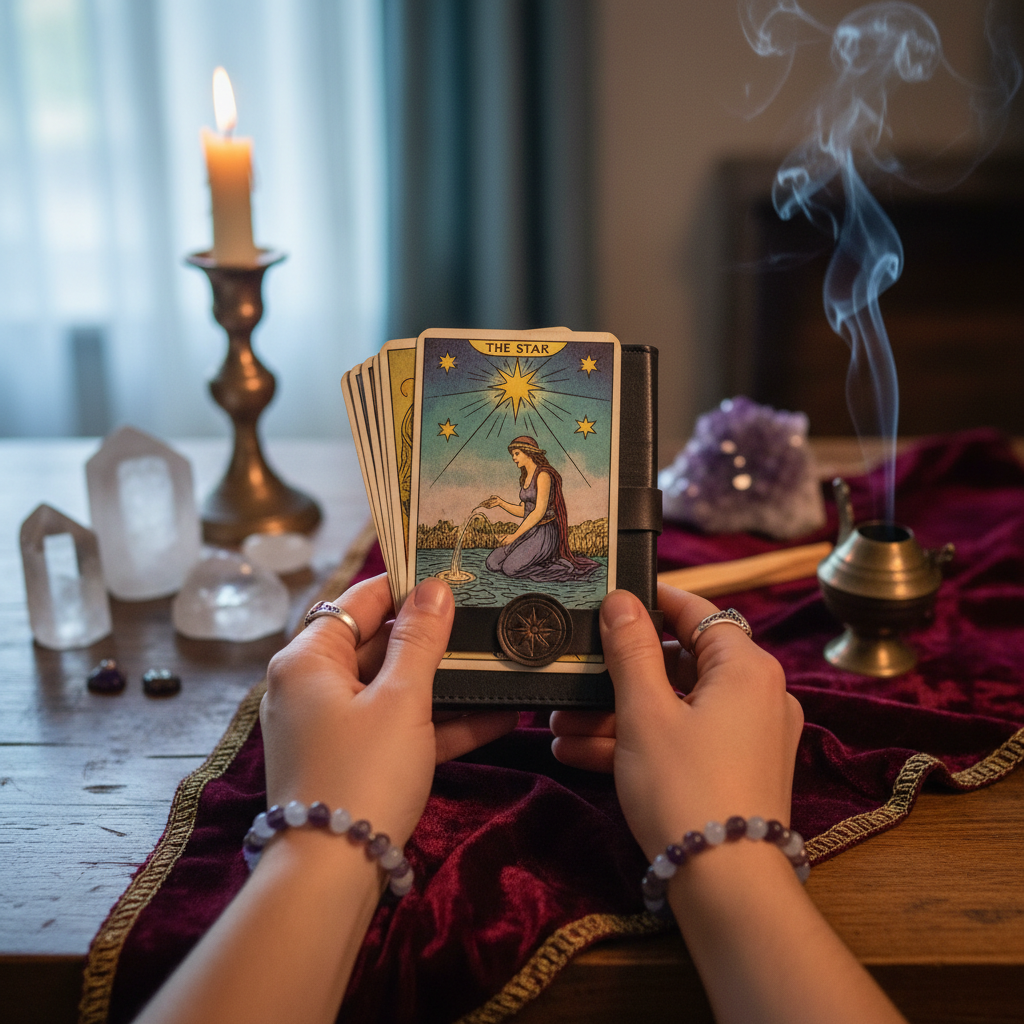
As you develop your practice, it's essential to approach tarot with respect and integrity. Be mindful of how you frame questions and the guidance you offer. Remember, tarot should empower, not frighten or manipulate.
Always respect the privacy and consent of those you read for, ensuring they are comfortable with the process and aware of the limitations of tarot as a tool for guidance.
Conclusion
Embarking on the journey of tarot reading can be a transformative experience. With patience, practice, and an open mind, you can unlock the mysteries and wisdom the cards hold. Enjoy the process and trust in your evolving abilities as a tarot reader.